

 Made for FydeOS
 FydeOS AI
 FydeDrop
 FydeOS Remote Desktop
 openFyde
 FydeOS Account
 FydeOS Design
 FydeOS Notes
 FydeSign
 Community
 Discord Server
 Telegram Group
 X
X YouTube
 /r/FydeOS
 GitHub
 Huggingface
 Business Contact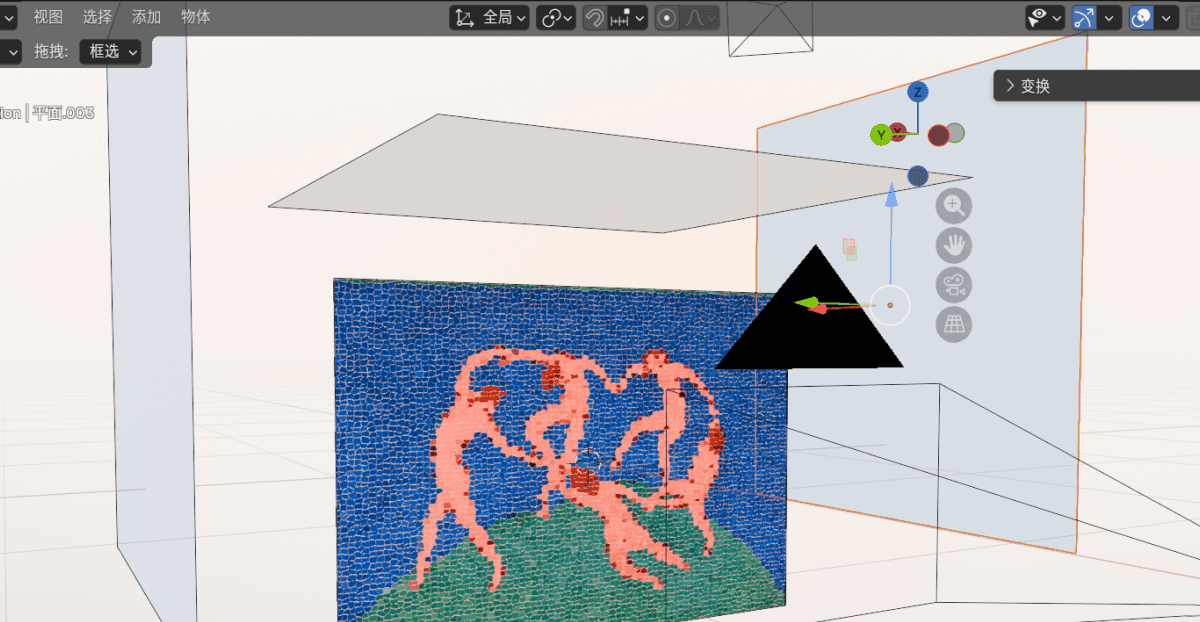
The story of stained glass reaches back to the medieval churches of Europe, yet what it truly changed was not just how buildings were decorated, but how humans understood light itself. Inside those massive stone structures, stained glass made light a building material for the first time. Natural light, formless and untouchable, was split and filtered by colored glass, then cast onto walls, floors, and the people below. Light no longer merely illuminated a space; it became the medium that shaped its mood and its spiritual experience.
In an age when most people could not read, stained glass carried another duty: storytelling. Scripture was broken down into panels of color that unfolded slowly across the walls as daylight moved, which is why stained glass came to be known as "the poor man's Bible". For ordinary people stepping into a cathedral, these were the most dazzling images they would ever see; in that upward gaze, light was both narrative and revelation.
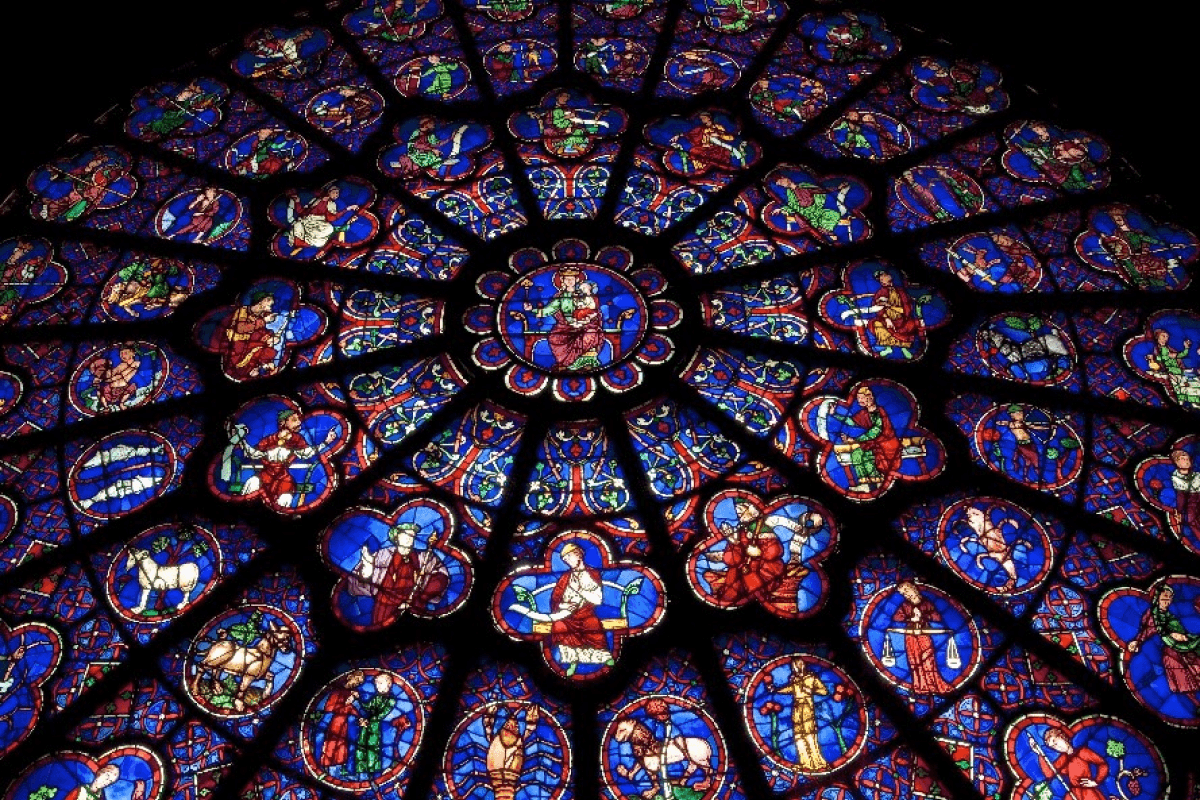
The rose window of Notre-Dame de Paris
Before this, architecture was mostly understood as physical space built from solid matter such as stone and timber. The Greek temple's pursuit of proportion and order, the Roman structure's display of engineering strength: both revolved, in essence, around the material. Stained glass gave architecture, for the first time, a life that changes with time. As the sun moves, color drifts slowly through the space, and the same building takes on entirely different moods within a single day. Architecture was no longer a static object; it became a work of art completed jointly by light and time.
Behind all of this lies an extraordinarily slow craft. Artisans mixed metal oxides into molten glass: cobalt for deep blue, copper for greens and reds, gold for the precious ruby tones. Once cooled, the glass was cut to shape, painted with fired pigment for detail, set in the kiln to fix its color, and finally assembled piece by piece with strips of lead. A great rose window could take generations of anonymous craftsmen to finish. Most of them left no names; they sealed their skill and their devotion into the glass instead.
The lead cames divide the glass into geometric cells, at once structure and line; transparency and translucency interweave, layering real scenery with abstract color, creating a visual experience suspended between reality and illusion.
For this release, we set out to reinterpret the visual language of stained glass through modern digital art. By simulating the translucency of colored glass, the thickness of its material, and the way light refracts and casts projections, we fused geometric segmentation, layered color, and the shifting of natural light into a single image, hoping to bring the order, luminosity, and poetry of this centuries-old craft into a contemporary visual context.
As the motif, we chose Henri Matisse's "La Danse" (The Dance), painted in 1910: the deep blue sky, the green hill, and a ring of crimson figures dancing hand in hand, now broken down into countless pieces of colored glass, so that a dance that has been spinning for over a century can keep turning in the glow of the panes. There is a quiet echo hidden in this choice: the final work of Matisse's life, into which he poured all that remained of his strength, was the stained glass of the Chapelle du Rosaire in Vence. At the end of his life he chose light as his last medium; with this digital window, we tip our hat to the master of color.
The theme's name, Chromatic Cadence, grows out of the same idea: "chromatic" speaks of color as well as of the chromatic scale in music, and a "cadence" is the rhythm and resolution of a musical phrase. Color rises and falls like a melodic line, just like the linked steps of the dancers. The wallpaper ships in a light and a dark variant, the way a single window feels different at noon and at dusk, following your system's light and dark modes.
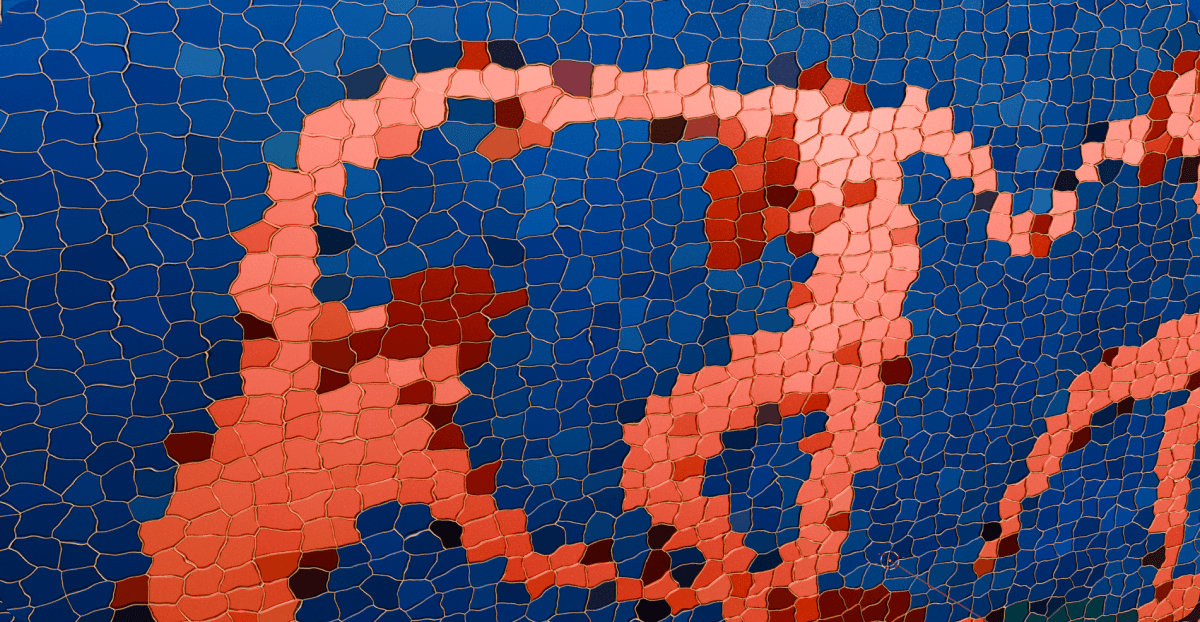
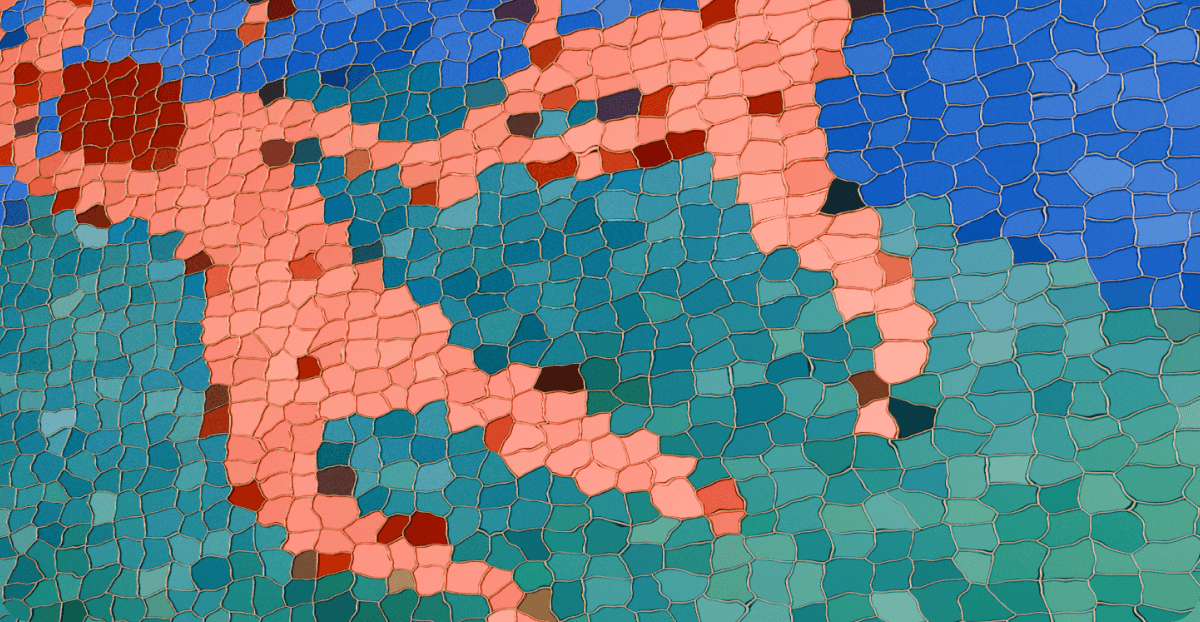
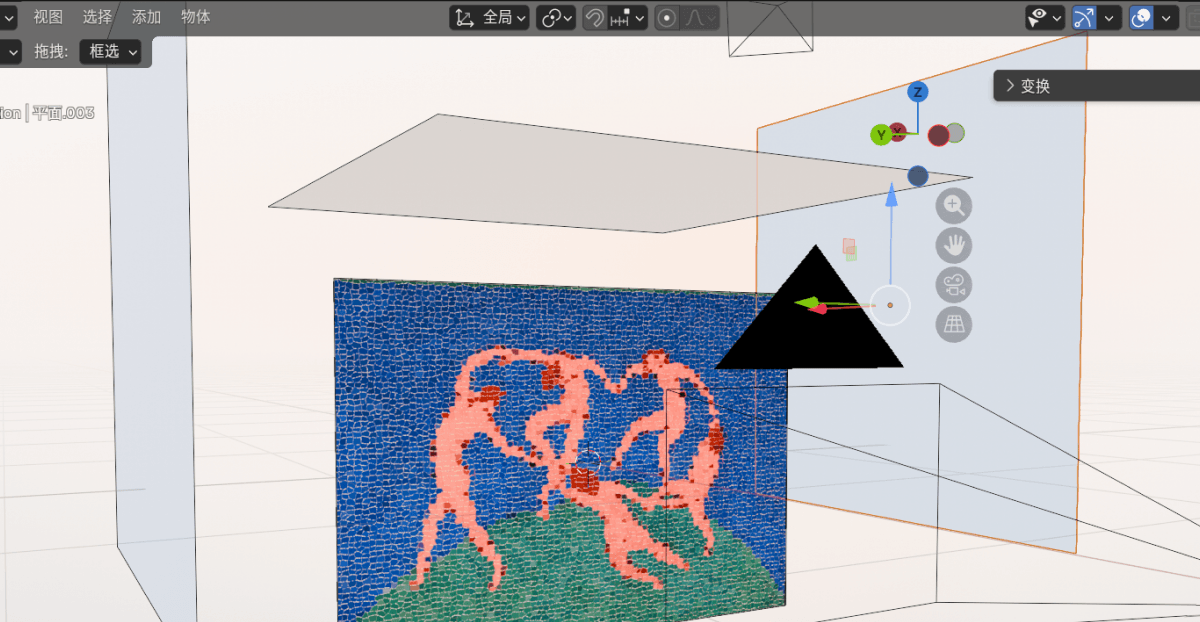
One more thing worth saying: this image was not "generated". In 2026, having an AI produce a good-looking wallpaper in seconds is no longer hard, yet we still chose the slowest way to make this one: building the glass cells one by one in a 3D application, giving every pane its thickness and material, lighting the scene, simulating transmission, refraction, and projection, then adjusting, rendering, discarding, and starting over, again and again. A thousand years ago, glassmakers turned light into stories with their hands; a thousand years later, we hope to put the same patience, and the same love for what we do, into every pixel. Below is a moment from the making of it.
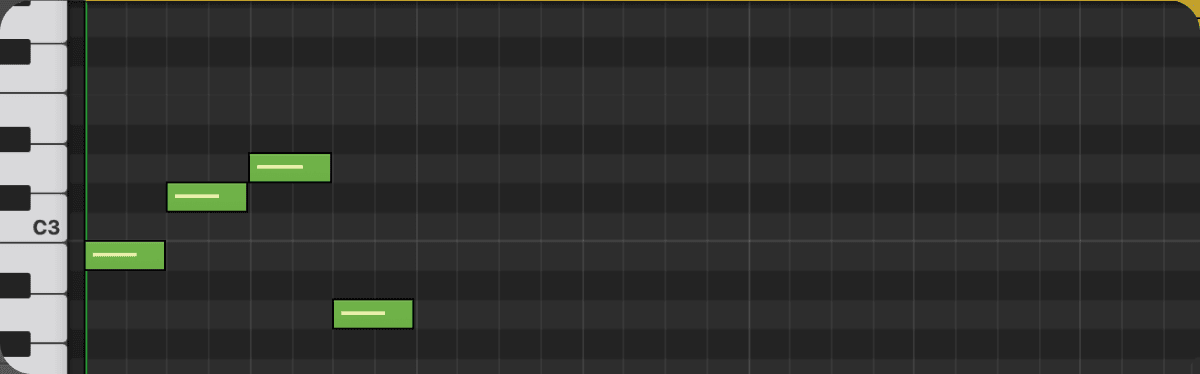
We have also refreshed the OOBE welcome chime. It comes from Gymnopédie No. 1, written in 1888 by the French composer Erik Satie, whose score is marked "Lent et douloureux" (slow and sorrowful). The piece has hardly a spare note in it; it is quiet and restrained, like light passing through glass. We took five notes from its main melody as the greeting for every first encounter with FydeOS: unhurried, and never loud.
From a medieval window, to Matisse's dance, to the light on your screen right now, this release is trying to say one simple thing: light can be designed, time can be held still, and love for the craft can be seen. We hope that every time your screen lights up, it feels like morning light falling on you through stained glass.