

 Made for FydeOS
 FydeOS AI
 FydeDrop
 FydeOS Remote Desktop
 openFyde
 FydeOS Account
 FydeOS Design
 FydeOS Notes
 FydeSign
 Community
 Discord Server
 Telegram Group
 X
X YouTube
 /r/FydeOS
 GitHub
 Huggingface
 Business Contact
In the genealogy of modern visual history, the emergence of the X-ray was not merely a technological breakthrough; it was akin to a revolution in the very "mode of seeing". In 1895, when Wilhelm Conrad Röntgen stumbled upon X-rays, humanity was able, for the first time, to penetrate the surface of objects and witness the obscured internal structures — bones, organs, and differences in density. This discovery spread rapidly from the medical field, profoundly shaking the visual convictions held by humanity since the Renaissance: that the world is not solely to be understood through its surface.
Prior to this, Western art had long been predicated on the foundation of "visibility". Perspective, chiaroscuro, and anatomical studies were all developed to render the world visible to the naked eye as authentic and credible. Whether it was the precise control of bodily proportions in Classical painting or Impressionism's capture of the fleeting changes of light, they essentially served a single premise—that visual experience is tantamount to reality itself. However, the advent of the X-ray physically negated this premise for the first time: what the naked eye perceives is but a thin veneer of the world.
Below is the first X-ray photograph of a human subject:
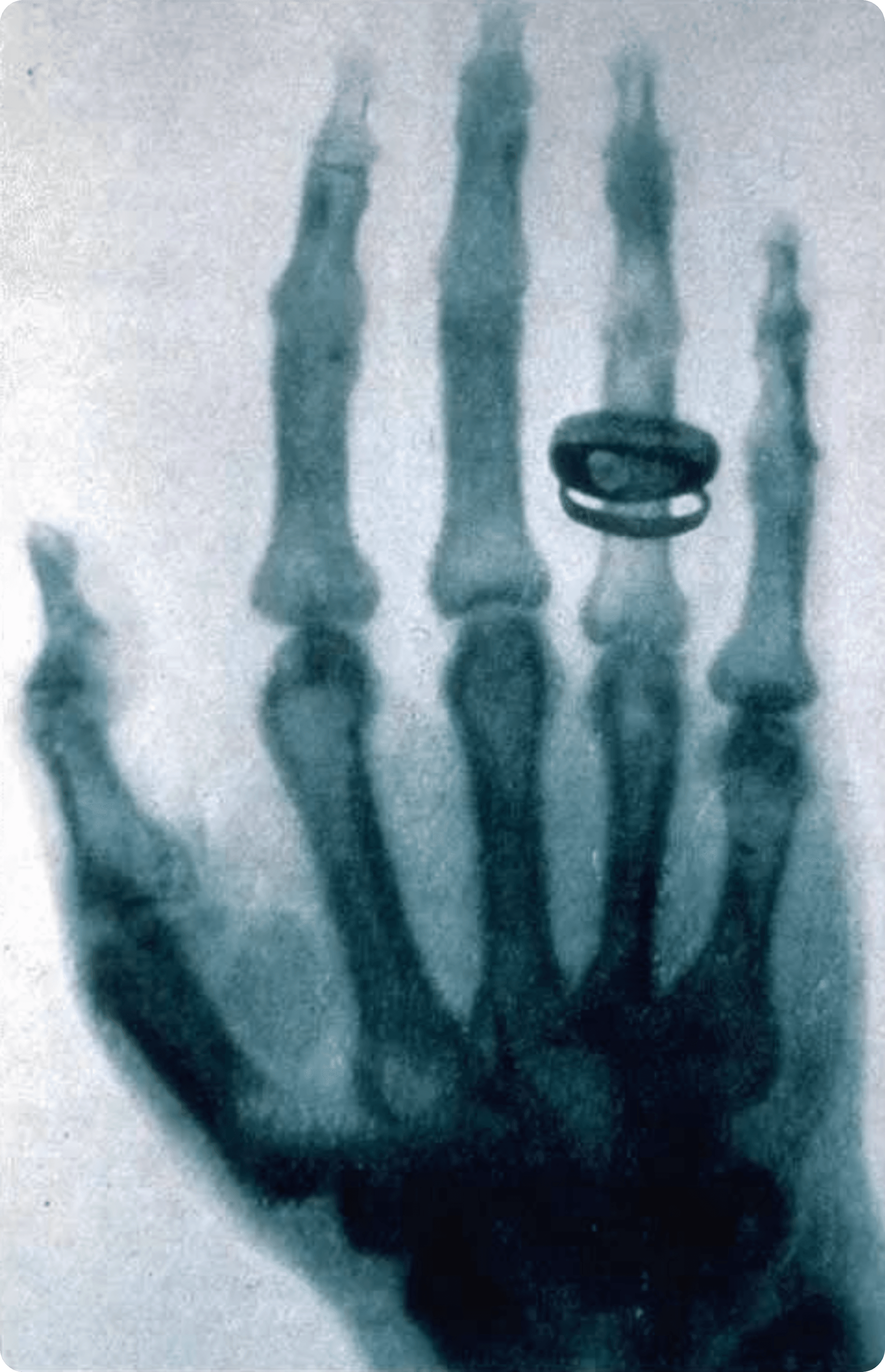
Across broader fields, X-ray imagery possesses a unique aesthetic character: matter is no longer distinguished by appearance but rendered through density; contours are not sketched by lines but generated naturally by differences in absorption rates. These translucent, superimposed images strip objects of their weight, yet endow them with a calm and honest order. This visual language naturally strips away ornamentation, pointing instead towards structure, relationship, and essence.
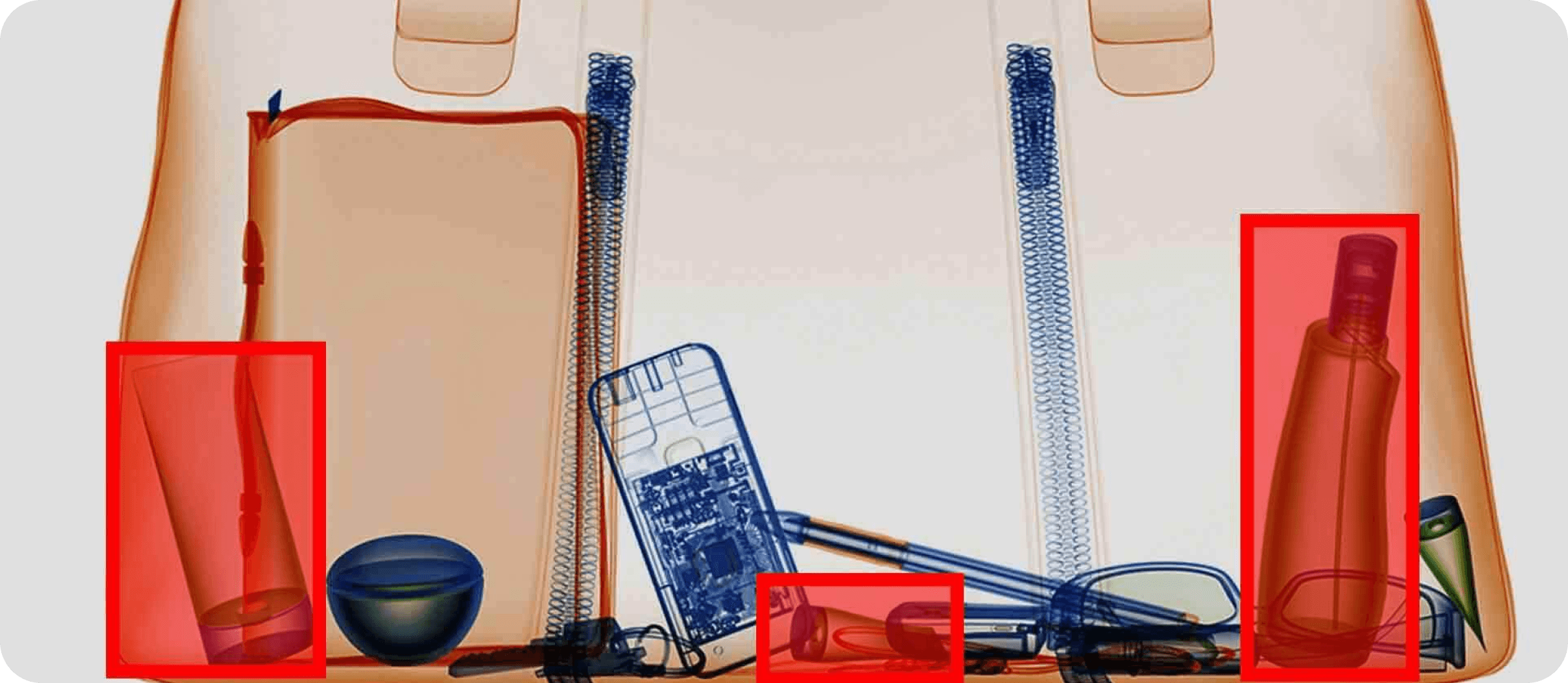
For this issue's theme, we have attempted an artistic articulation of objects under X-ray. By utilising volumetric scattering and volumetric absorption, we mimic the phenomenon of colouring based on varying densities.



Furthermore, as per usual, we have composed a new matching welcome sound for the OOBE. Derived from The Rolling Stones' Brown Sugar, we have isolated the four notes of the main melody: C, D, E, and G.